

Mental Health & Resilience Training for First Responders & Families

Welcome to Danner Badge & Shield Resilience Training Group
First responders dedicate their lives to protecting others. Police officers, firefighters, EMS professionals, and military personnel face situations most people will never encounter. The demands of these careers require strength, resilience, and an unwavering commitment to service. Yet the cumulative impact of trauma, critical incidents, and chronic stress can take a significant toll on both first responders and the families who support them.
The Danner Badge & Shield Wellness Center was created to provide specialized mental health education and resilience training for first responders and their families. Our programs focus on helping individuals better understand the psychological effects of high-stress careers, recognize early warning signs of burnout and trauma, and develop practical strategies to maintain long-term mental wellness.
Founded by Dr. Deborah Danner, PhD, the center combines professional expertise in trauma and mental health with a deep respect for the culture and realities of first responder professions. Dr. Danner’s work is also informed by personal experience, having family members who have served in the military and as first responders. This dual perspective as both a clinician and family member brings a unique level of understanding to the work of supporting those who serve.
Through educational programs, department trainings, and family-focused workshops, the Danner Badge & Shield Wellness Center is committed to strengthening resilience, supporting mental health, and helping first responders and their families thrive both on and off duty.
First Responder Training
Cumulative trauma exposure
PTSD and critical incident stress
Suicide prevention in first responders
Burnout and emotional fatigue
Sleep and shift work impact
Healthy coping strategies
Mental health stigma in first responder culture
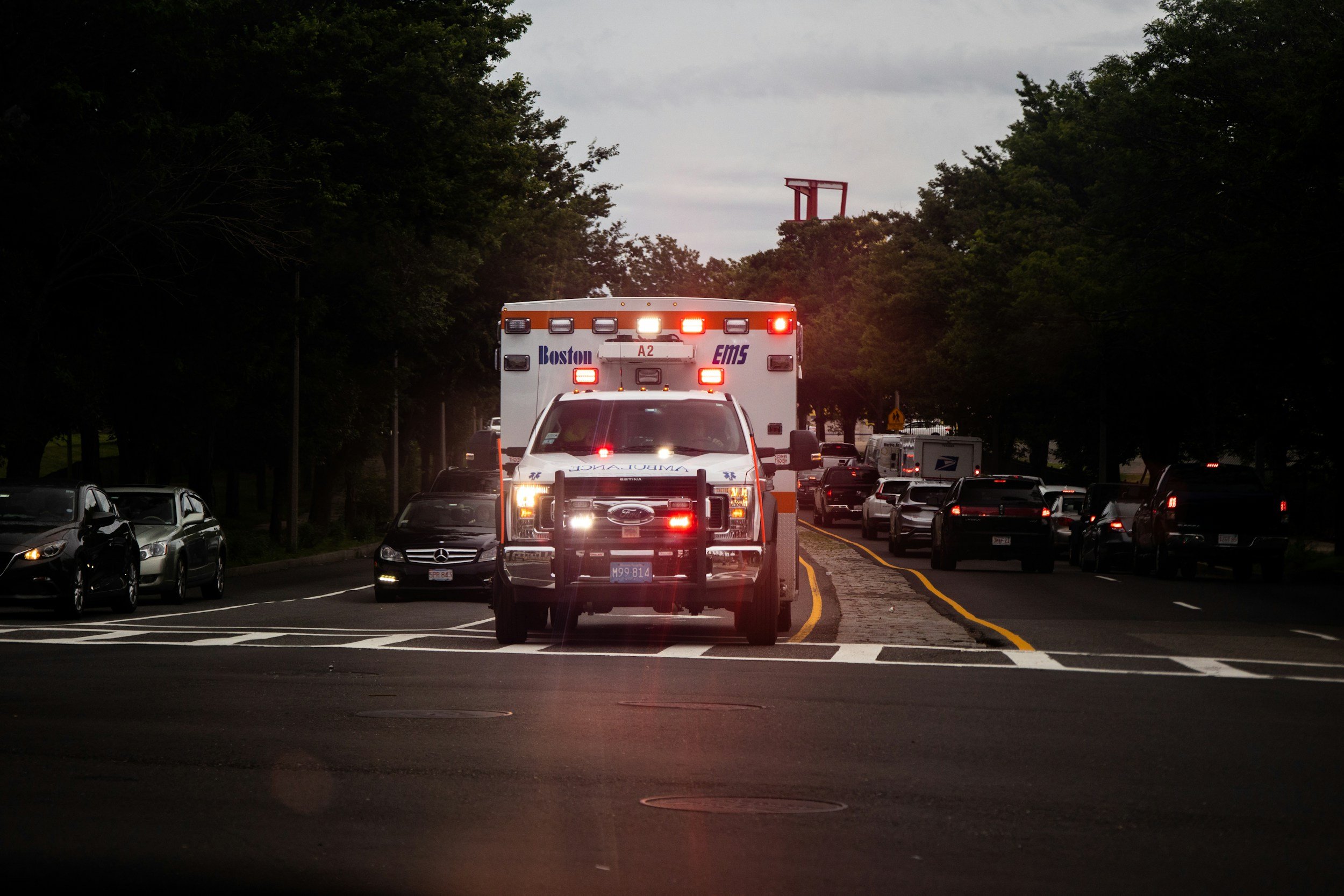
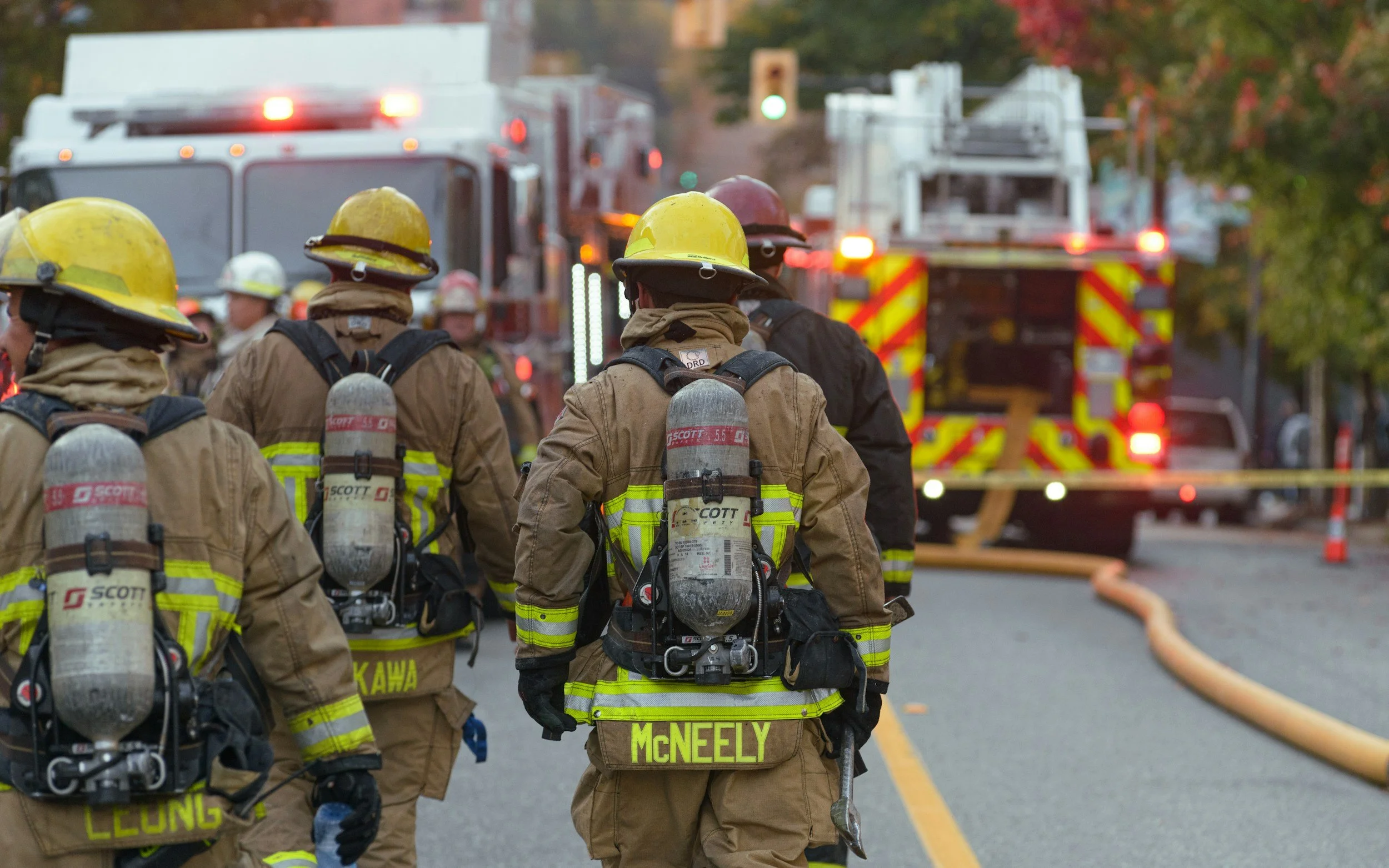
Support & Education for First Responder Families
Living with a first responder spouse
Understanding trauma exposure
Communication after difficult calls
Helping children cope with a parent’s career stress
Managing shift work and family life
Protecting relationships from burnout
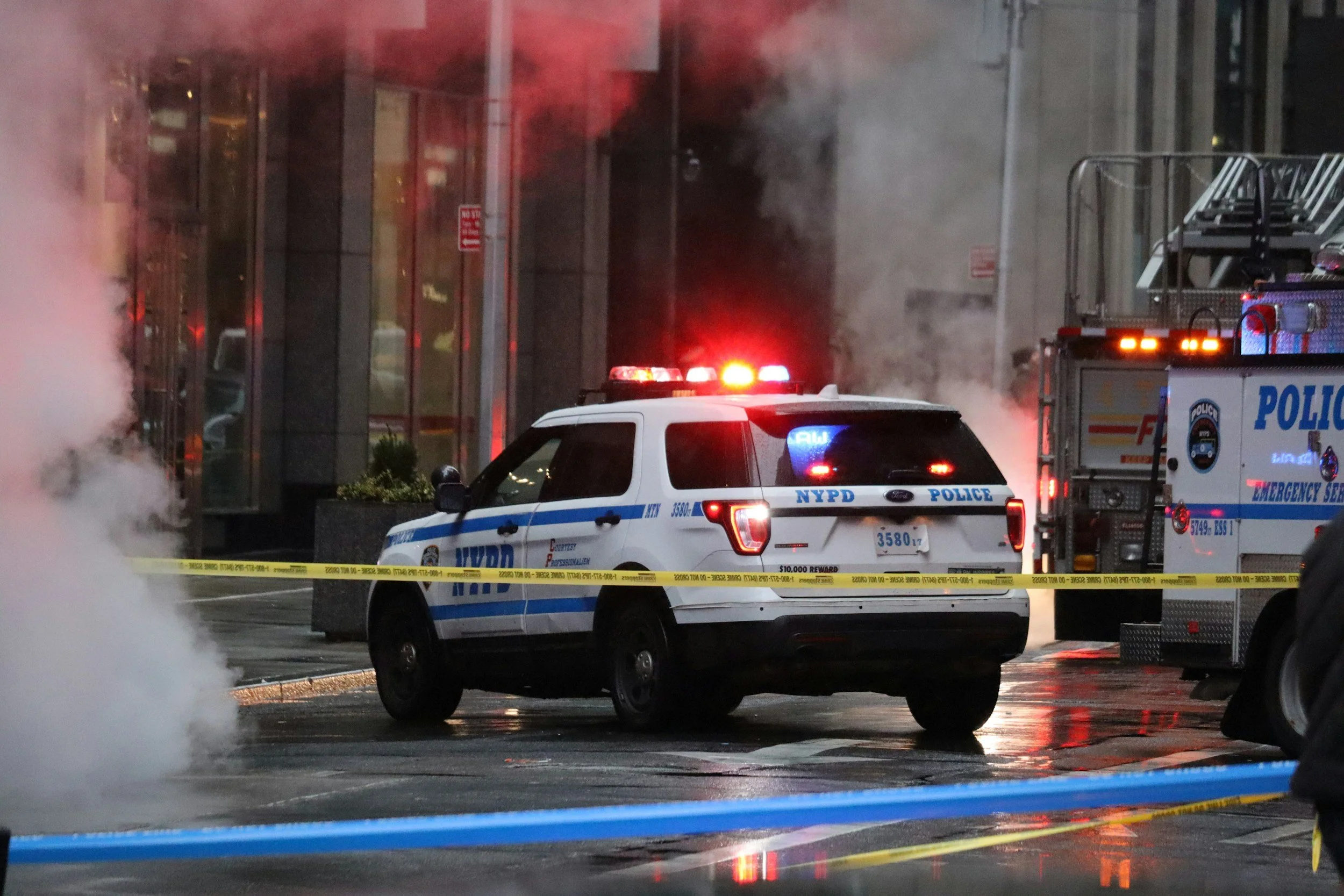
Peer Support Team Training
Recognizing trauma symptoms in coworkers
Responding to emotional crises
Suicide risk awareness
When to refer someone for professional help
Supporting colleagues after critical incidents
Recognizing burnout in officers and firefighters
Reducing stigma around mental health
Creating healthy department culture
Responding to officer suicide risk
Supporting employees after traumatic incidents
Mental Health Leadership Training for Command Staff
The psychology of cumulative trauma in first responders
Mental health survival strategies for police and firefighters
The hidden toll of emergency service work
First responder families and relationship stress
Conference & Department Speaking

Critical Incident Mental Health Education
How trauma affects first responders
What departments should do after major incidents
Signs someone is struggling
Long-term cumulative stress